
Sleep Apnea
Treating Sleep Apnea in Anderson, IN
Treating sleep apnea is critical for your health, and visiting our dentists is an important first step toward getting your symptoms under control. What is sleep apnea? Sleep apnea is a sleep disorder that interrupts breathing during sleep. What causes sleep apnea? You can either have central sleep apnea, in which the brain doesn’t properly manage breathing during sleep, or obstructive sleep apnea, caused by a blockage in the airway.
Patients with mild to moderate obstructive sleep apnea can receive conservative treatment options at Smiles of Anderson in Anderson, IN.
Signs and Symptoms of Sleep Apnea
Patients with sleep apnea can stop breathing hundreds of times per night. When breathing stops, the patient briefly awakens, sometimes with no awareness of having done so. This restarts breathing.
Common sleep apnea symptoms can include:
- Loud snoring
- Gasping for air during sleep
- Waking up with a dry mouth and headache
- Insomnia
- Excessive daytime sleepiness
- Trouble concentrating and irritability
Sometimes, the patient’s partner is most likely to notice the signs of sleep apnea, like loud snoring and gasping for air during sleep.
How Sleep Apnea Can Affect Your Overall Health
Sleep apnea can lead to complications that negatively affect your overall health. The repeated drop in blood oxygen levels, for example, can increase blood pressure, which strains the cardiovascular system. Patients may be at a higher risk of hypertension, heart attack, stroke, and atrial fibrillation.
Sleep apnea also increases the risk of metabolic syndrome, insulin resistance, and type 2 diabetes. It can contribute to liver scarring and surgical complications, as well. Managing sleep apnea is essential for preserving health.
How We Diagnose Sleep Apnea
During your oral health appointment, our dentists can examine your mouth for the physical signs that can indicate potential sleep apnea, such as chipped or worn down teeth, a scalloped tongue, throat irritation, and enlarged tonsils. We’ll also consider your health history and ask questions about your symptoms. If appropriate, we may refer you to a specialist for a formal diagnosis, which typically involves a sleep study in a clinic or an at-home sleep apnea test.
Your Sleep Apnea Treatment Options in Anderson, IN
You may be a good candidate for a sleep apnea mouthguard if you have mild to moderate obstructive sleep apnea. We will create a custom-fitted mouthguard, or oral appliance, that gently repositions the oral structures to keep your airway open during sleep.
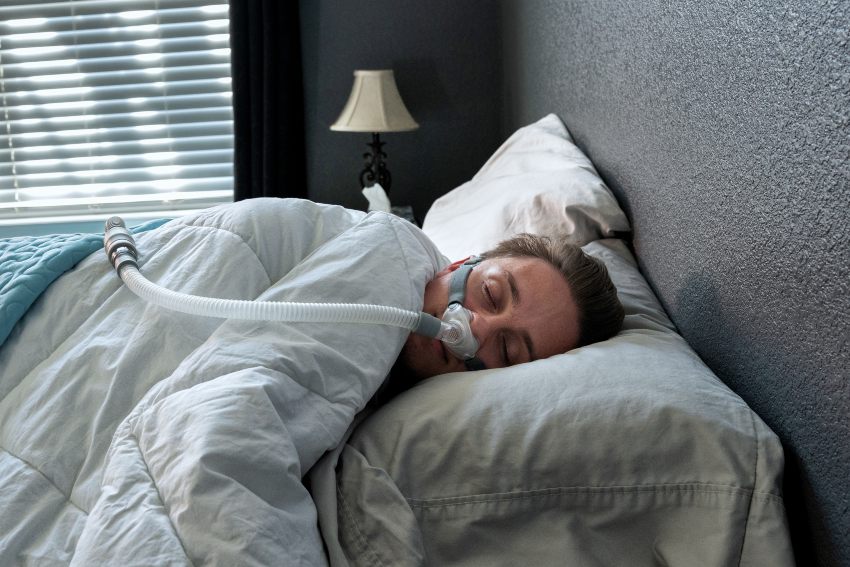
Those with severe sleep apnea or central sleep apnea may need CPAP therapy (continuous positive airway pressure). CPAP provides a steady stream of pressurized air via a machine, mask, and hose to maintain an open airway.
Why Choose Us for Sleep Apnea Treatment?
Although CPAP is considered the gold standard for central sleep apnea and severe obstructive sleep apnea, not everyone can tolerate it well. For those who cannot tolerate CPAP therapy and those with mild to moderate obstructive sleep apnea, we provide an alternative solution that manages your symptoms well and helps reduce the risk of complications.
At Smiles of Anderson, you’ll receive personalized care and extensive patient education to help support your oral and overall wellness. We accept most insurance plans and offer flexible payment options for those without coverage.
Schedule Your Sleep Apnea Appointment in Anderson, IN
If you’ve been diagnosed with sleep apnea or you suspect you may have it, schedule an appointment right away. Smiles of Anderson offers effective sleep apnea treatment for patients who are a good candidate for mouthguard therapy. Contact us to book an appointment Monday through Thursday at our office in Anderson, IN.
FAQs and Answers About Sleep Apnea
Consider whether you have any sleep apnea symptoms, such as loud snoring, excessive daytime sleepiness, and headaches or dry mouth upon awakening. Ask your partner, if applicable, if you snore or wake up gasping for air.
Yes, getting your sleep apnea under control is likely to reduce or even eliminate snoring, along with other signs of sleep apnea.
You may be a good candidate for a sleep apnea mouthguard if you have mild to moderate obstructive sleep apnea. This may also be a good choice for those who have tried CPAP therapy unsuccessfully.
Untreated sleep apnea can increase the risk of health complications, such as hypertension, heart attack, stroke, atrial fibrillation, type 2 diabetes, and liver scarring.